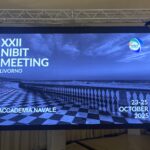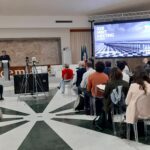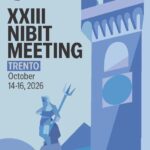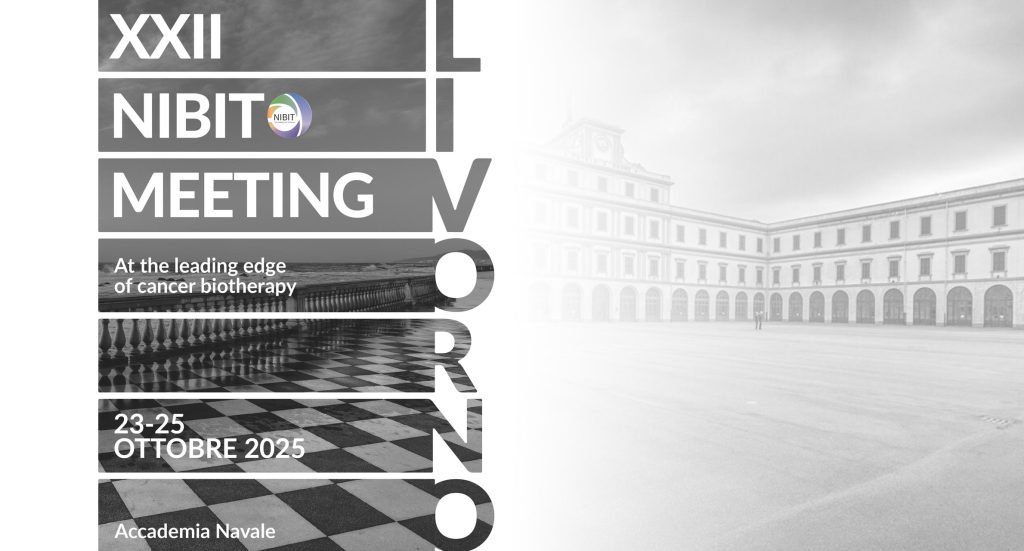
The XXII NIBIT Annual Meeting 2025 took place from October 23 to 25 in the beautiful setting of the Naval Academy of Livorno, once again gathering scientists from across Italy and internationally. This year’s event featured both long-standing network members and new participants, alongside outstanding invited speakers from international research centers.
True to tradition, the meeting provided a crucial platform for presenting and discussing unpublished studies, encouraging collaboration and open scientific exchange. Selected oral abstract presentations in every session underscored the vitality and scientific depth of the NIBIT community.
The seven sessions of this edition addressed key topics in immuno-oncology, with the following highlights being particularly notable:
- A key focus was the evolution of myeloid cells—from serving as circulating biomarkers to being recognized as critical therapeutic targets and central components for effectively engaging the innate immune system.
- Advancements in spatial and single-cell approaches are increasingly revealing the intricate cellular interconnections within the tumor microenvironment (TME). Myeloid cells and tumor-associated fibroblasts have emerged as critical players in this complex network, suggesting that targeting intercellular interactions may be more strategic than focusing on single cell populations. This perspective effectively shifts the therapeutic focus toward targeting the tumor ecosystem, where cellular plasticity is a crucial factor.
- Adaptive immunity, centered on T and B cells, remained a key area of discussion. Emerging topics included the neuro-immune interface and its mechanism for suppressing immunotherapy responses, along with the immunological implications of BRCA germline mutations, which is critical for developing new treatments for BRCA-mutated tumors.
- Advances in cell therapies—including promising results with CAR-T cells—are increasingly being achieved through combinatorial strategies. These strategies involve integrating cell therapy with small-molecule drugs or dual-targeting approaches for solid tumors, as well as developing genetically engineered T cells aimed at improving targeting and minimizing functional exhaustion within the tumor microenvironment.
- A key topic was the powerful integration of artificial intelligence into immuno-oncology. This included specific examples of how tools like machine learning and foundation models are revolutionizing research, as well as innovative approaches such as virtual AI agents being deployed to enhance clinical workflows.
Clinically, the meeting underscored the substantial success of immunotherapy and the use of new evaluation tools, including pathologic response and circulating tumor DNA (ctDNA). These tools are vital for enabling treatment de-escalation—reducing toxicity while maintaining efficacy.
Despite this progress, important response gaps remain. Addressing non-response requires us to move beyond known characteristics, demanding a sharper analytical focus and the exploration of new avenues. These include targets like stress-induced antigens, combinations with immunogenic chemotherapies, and leveraging the key role of the microbiome in modulating anti-tumor immunity.
All these insights, and many others, emerged at the XXII NIBIT Meeting. The event provides a full year of scientific work ahead, coupled with the assurance that the knowledge gained will directly inform and propel future research initiatives.
This successful event confirms that the NIBIT network is poised for continued growth and expansion, dedicated not only to generating and sharing knowledge, but ultimately focused on translating these critical findings into new clinical studies.
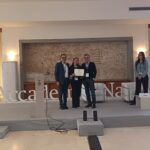
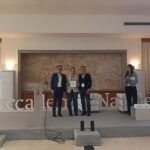
As is tradition, the congress concluded with the award ceremony for the best abstracts, a powerful demonstration of NIBIT’s enduring commitment to fostering the participation and professional growth of young researchers.
The XXII NIBIT Meeting was immediately followed by a brief public engagement session with citizens from Livorno. Members of the NIBIT Board of Directors reported the key topics in accessible, lay language and answered numerous questions from the participants.
Warm regards from the Board of Directors, the Junior Faculty, and the NIBIT Secretariat.